Distillery: 尾鈴山蒸留所 Osuzuyama
Address: 656-17, Kuratani, Ishikawauchi, Kijo-cho, Koyu-gun, Miyazaki
Website: https://osuzuyama.co.jp/en/

Additional Content: Nothing at this time



Name: 山ねこ Yama Neko
Type: 芋焼酎 Sweet Potato Shōchū
蒸留方法: 常圧蒸留 (Atmospheric)
Ingredients:
-
甘藷(ジョイホワイト)Joy White Sweet Potato
-
米麹(山田錦)Rice Koji
Alcohol: 25%


Enjoy on the rocks
In the bottle: Bright and slightly sweet on the nose, with prominent hints of lychee and syrupy fruits. Initially straightforward and not overly complex, but with a little oxygen, fresh sweet potato emerges clearly and beautifully. A subtle trace of alcohol and light sourness adds gentle contrast to the sweeter elements without overpowering them. Overall, clean and inviting, aligning well with its reputation for gentle, lush fruit aromatics and bright character
On the rocks: Spicy and tingly right from the first sip—black pepper-like prickliness hits the back of the throat and spreads across the palate. Subtle sweetness follows on the finish, evoking slightly overripe fruit, paired with a touch of sourness reminiscent of dark chocolate. As the ice melts, the sharper notes soften, allowing sweet potato to shine more prominently. Highly enjoyable overall, with a lingering finish that weaves between sweet and sharp elements, encouraging multiple glasses.
水割り Diluted with water
4:1 ratio: Sharpness mellows as expected, revealing a pleasant, hidden sweetness that steps forward more clearly. Ripe fruit and chocolate-like notes remain present on the back end but become softer and less distinct—dilution smooths the profile without introducing new complexity. While drinkable and balanced, the full vibrancy of the lychee, fruit, and peppery lift is best preserved on the rocks or neat; higher dilution suits lighter, extended sessions but tempers the expressive character.
Reflections on this shōchū
-
I’ve now tried the two special editions of Yama Neko alongside the standard/original version, and each stands out distinctly. To my palate, the original is noticeably less sweet than the two limited or special offerings, presenting a brighter, sharper, and more peppery profile with prominent lychee fruitiness and subtle sourness—making it feel lighter and more refreshing overall.
-
Osuzuyama continues to impress. Every bottle I’ve tried from this Kagoshima distillery delivers consistent high quality: clean production, thoughtful use of ingredients (Joy White sweet potatoes and white koji), excellent balance, and outstanding drinkability. Whether bright and fruity like the standard Yama Neko or richer in the specials, they’re reliable choices that perform well across serving styles. If it’s on an izakaya menu, it’s a safe and enjoyable go-to.
-
All Osuzuyama bottles I’ve encountered fall in the 1,800 JPY range—positioned slightly above the typical everyday shōchū price point (often under 1,500 JPY), but still far from prohibitively expensive. For the refinement, character, and sessionability they offer, the value is strong—well worth the modest premium for anyone seeking quality imo shōchū without venturing into ultra-high-end territory. A consistently rewarding distillery worth keeping on your radar.

Bottle label and Information
Front Label
Back Label


Name: 山ねこ銅釜蒸留 Copper Still
Type: 芋焼酎 Sweet Potato Shōchū
蒸留方法: 銅釜蒸留 (Copper Pot Distillation)
Ingredients:
-
甘藷(ジョイホワイト)Joy White
-
米麹(山田錦)Rice Koji
Alcohol: 25%

Enjoy on the rocks

Notes: Subtle sweetness arrives immediately on the nose, blending seamlessly with toasted rice and classic sweet potato aromas to form a fragrant, highly inviting profile. With brief air exposure, the sweetness strengthens gently without shifting toward dessert territory. Alcohol remains virtually undetectable, delivering a clean, clear, and enjoyable nose that builds strong anticipation for the palate.
On the rocks: Amazing from the opening sip. Toasted rice and caramel lead with dominance in a wonderfully smooth, richly textured sweet potato shōchū. Restrained sweetness links perfectly to the caramel without heaviness or alcohol intrusion. As ice melts, the profile mellows elegantly: softer sweetness surfaces, letting core sweet potato shine brighter and enhancing drinkability. Consistent with other special-edition Yama Neko expressions, this version excels as a relaxed post-dinner sipper—elegant, comforting, and ideal for lingering over.
水割り Diluted with water
4:1 ratio: Sweetness becomes more prominent and forward-facing. The first glass remains well-mannered and enjoyable; by the second, the richness may feel slightly heavy for extended sessions. Pleasant overall, but higher dilution highlights sweetness without introducing fresh complexity.
2:3 Ratio: Similar to lighter dilutions but with more restrained sweetness. This higher water ratio keeps the profile lighter and better balanced across multiple glasses—preferable for longer sessions or stretching the bottle.
Reflections on this shōchū
-
This toasted rice-influenced special edition of Yama Neko (from Osuzuyama's lineup, known for using estate-grown Joy White sweet potatoes and white koji) brings a lovely grainy depth that complements the imo base without overpowering it. It maintains the distillery's signature quality—refined, characterful, and highly drinkable—while offering a distinct toasted/caramel twist compared to the standard or other specials.
-
I really enjoy seeking out and discovering these non-standard offerings from Osuzuyama, and this particular version of Yama Neko provided a completely different experience compared to the one made with Yamada Nishiki rice. The shift in base ingredients (likely a different sweet potato variety or koji approach) creates noticeable divergence in aroma, sweetness profile, and overall mouthfeel—highlighting how thoughtful experimentation can yield distinct expressions even within the same lineup.
-
My feelings about this bottle are mixed, primarily around drinkability. The first glass is enjoyable and balanced, but the pronounced sweetness and richness start to feel heavy by the second pour, making it less ideal for extended sessions or multiple glasses. It leans more toward a contemplative, single-glass experience rather than an all-night izakaya companion.
-
That said, the quality remains consistently high—exactly what I’ve come to expect from Osuzuyama. At a mid-range price point (typically around 1,800 JPY based on similar releases), it offers strong value, especially as a limited or experimental product that pushes beyond standard imo shōchū territory.
-
While I’m not certain I’ll reorder this specific Bottle, my overall track record with Osuzuyama has been excellent: refined production, great drinkability across most expressions, and genuine innovation. I’ll continue exploring whatever they release next—whether standard, special edition, or something entirely new. For anyone interested in premium, character-driven sweet potato shōchū from a reliable Kagoshima distillery, Osuzuyama remains a brand worth following closely.

Bottle label and Information
Front Label


Back Label



Name: 山ねこ 麹米山田錦 Yama Neko Koji Kome Yamada
Type: 芋焼酎 Sweet Potato Shōchū
蒸留方法: 常圧蒸留 (Atmospheric)
Ingredients:
-
甘藷(ジョイホワイト)Joy White
-
米麹(山田錦)Rice Koji
Alcohol: 25%

In the bottle: Beautifully sweet and floral from the outset, with dominant notes of lychee and candied fruits leading before sweet potato gradually emerges. The aroma spreads generously across the nose, supported by remarkably low alcohol presence that keeps everything clean and builds strong anticipation. The profile aligns perfectly with Osuzuyama's signature style—using estate-grown Joy White sweet potatoes and white koji—delivering bright, fruity aromatics typical of their imo expressions.
On the rocks: Floral and lychee flavors dominate immediately, spreading elegantly across the palate while sweet potato integrates more subtly at first. After a few sips, the potato character becomes clearly discernible and well-balanced. The finish is perfectly poised: lingering sweet potato notes remain present yet never overpowering, creating an incredibly enjoyable sipping experience. This bottle emptied faster than expected—its lightness, freshness, and layered fruit-floral depth make it dangerously drinkable.
水割り Diluted with water
4:1 ratio: While on the rocks is preferred, light dilution opens the spirit further: sweet fruit notes smooth out noticeably, resulting in a refined, enjoyable after-dinner pour. The floral-lychee elements soften gracefully without losing identity.
2:3 Ratio:Holds up reasonably well, with some sweetness persisting. However, at this higher dilution level, much of the vibrancy and distinctive character that make Yamaneko so appealing begins to fade—losing too much of the bright fruit and floral lift that defines the expression.

Enjoy on the rocks
Reflections on this shōchū
-
Yamaneko is a standout from Osuzuyama in Miyazaki Prefecture—fresh, bright, and fruit-forward with classic lychee/mango/candied sweet potato notes that make it one of the more approachable yet elegant imo shōchū options. Its medium-light body and dry finish encourage relaxed sipping, whether neat, over ice, or lightly diluted. A great choice for warm evenings or as an introduction to high-quality estate-grown sweet potato shōchū—highly drinkable and consistently impressive from this distillery.
-
I really enjoy hunting down and exploring these non-standard offerings from Osuzuyama, and this particular Yamaneko variant was an absolute win. From the beautiful, expressive aroma—bright lychee, candied fruit, and floral lift—to the perfectly balanced sweetness on the palate, it delivered everything I look for in a refined yet approachable imo shōchū.
-
This is a definite reorder for me and one I can highly recommend to anyone wanting to step outside the usual everyday range. The fruit-forward elegance, layered floral notes, and clean drinkability make it stand out without feeling overly experimental or niche.
-
Like everything from Osuzuyama, the quality is consistently high, and at a mid-range price point (typically around 1,800 JPY for the lineup), it offers excellent value—especially as a limited or special-edition product that pushes the boundaries while remaining accessible.
-
Having now tasted both non-standard Yamaneko variants, I’m convinced the standard/original version belongs on my target list next. Osuzuyama continues to impress with thoughtful production, estate-grown ingredients, and expressions that reward exploration—whether you prefer bright and fruity or richer toasted profiles. A distillery worth keeping close on the radar.
Bottle label and Information
Front Label

Back Label


Name: 山翡翠 Yama Semi
Type: 米焼酎 Rice shōchū
蒸留方法: 常圧蒸留 (Atmospheric)
Ingredients:
-
米 Rice
-
Rice Koji (Hanakagura)米麹(はなかぐら)
Alcohol: 25%


In the bottle: Surprisingly soft and neutral at first, with only a gentle hint of rice and subtle sweetness. With swirling and oxygen exposure, more distinctive rice shōchū character emerges—clean, fragrant, and layered—revealing the thoughtful craftsmanship typical of Osuzuyama's estate-grown Hanakagura rice and self-cultured yeast. A slight tinge of alcohol is present but minimal, keeping the nose clear and enjoyable without distraction.
On the rocks: Excellent from the very first sip. An intense, beautiful wash of toasted rice, vanilla, and caramel floods the palate in a wonderfully smooth, rich expression. As the ice melts, sweetness from the rice spreads gracefully, adding depth and character without overwhelming. The alcohol on the finish remains supportive rather than dominant, carrying softer notes through to a clean, lingering close. This service style highlights the shōchū's refined balance and makes it highly rewarding for slow sipping.
水割り Diluted with water
4:1 ratio: The toasted rice flavor opens up noticeably and becomes more prominent, with a pleasant, lingering vanilla smoothness on the palate. Light dilution enhances the grain-forward elegance while maintaining overall harmony—ideal for a refined, easy-drinking pour.
2:3 Ratio: Toasted rice mellows further, and the sweetness of vanilla and caramel softens significantly. While still drinkable and balanced, it loses some of the vibrancy and richness that make Yamahisui compelling—less preferred compared to lighter dilutions or on the rocks.

Enjoy on the rocks

Reflections on this shōchū
-
Yamahisui (also known as Yamasemi / 山翡翠) is a standout kame-tsubo aged rice shōchū from Osuzuyama, using locally grown Hanakagura rice, white koji, and self-cultured yeast. The result is a clean, elegant expression with flinty, creamy, and subtly smoky notes—highly versatile and drinkable across styles. It exemplifies the distillery's consistent quality in producing refined, characterful shōchū that reward exploration. A great choice for rice shōchū enthusiasts seeking subtlety and balance.
-
Yamahisui delivers a wonderfully rich rice shōchū experience, with beautiful toasted rice and vanilla-caramel notes that unfold elegantly. The profile starts full and expressive on the rocks, then mellows gracefully as the ice melts, allowing the core grain character to shine through with added depth and smoothness—making it highly enjoyable for slow, contemplative sipping.
-
At a mid-range price point (typically around 1,800–2,000 JPY based on Osuzuyama’s lineup), it offers excellent value: high-quality production, refined balance, and distinctive toasted richness without venturing into premium pricing territory. A strong buy for anyone seeking a standout kome shōchū that punches above its weight.
-
The bottle labeling stands out positively—the kanji design has a clean, stylish elegance that complements the aesthetic of Osuzuyama’s other expressions (potato and wheat varieties included). It feels cohesive and thoughtful, reflecting the distillery’s attention to detail across the portfolio.
-
This was my first experience with shōchū from Osuzuyama, and it set an impressive standard. The combination of estate-grown Hanakagura rice, white koji, self-cultured yeast, and kame-tsubo aging results in a clean, layered, and approachable rice shōchū that feels both refined and characterful. I’m genuinely excited to dive into the two potato shōchū bottles I have waiting—expecting similar quality and drinkability. Osuzuyama is quickly becoming a distillery to watch closely for anyone exploring Miyazaki/Kagoshima-region offerings.

Bottle label and Information
Front Label
Back Label


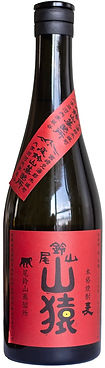
Name: 尾鈴山 山猿 Osuzuyama Yamazaru
Type: 麦焼酎 Barley Shōchū
蒸留方法: 単式蒸留 (Pot Distillation)
Ingredients:
-
麦(国産)Barley
-
麦麹(国産)Barley Koji
Alcohol: 25%

Enjoy on the rocks or Straight
In the bottle: Rich, velvety, and chocolatey are the first things that come to mind when you crack open Yamazaru from Osuzuyama. This bottle has a lot to live up to considering their other offerings, and I can clearly say it lives up to expectations. It pops with a very distinct richness that immediately pulls you in and makes you want to hurry and pour a glass. Once a little air gets in, that initial impact fades a bit, and this is where the barley notes really rise to the top and take center stage. What stands out are the earthy, wet hay, and toasted grain that back an interesting chocolate vibe that really pulls this all together.
On the rocks: Much like the nose, the first sip is incredibly smooth and chocolatey, not exactly dark cacao but not milk chocolate either; it reminds me a bit of a chocolate ganache, just a bit lighter. Yamazaru does a great job of marrying the initial impact notes with a beautiful barley backdrop that mixes both earthy and sweet to create something quite magical, at least at the start. Unfortunately, as the ice melts a bit too much (I am drinking this on another hot night in Hiroshima), what makes this such a pleasure to sip fades away quite quickly. It does not fade away completely but it does mellow out significantly. Overall, this is another excellent bottle, and if you are into mugi that is a bit richer, then this is a great bottle to try.
Straight: I can very much imagine enjoying this neat in the glass on a cool autumn evening. This bottle from Osuzuyama has everything found on the nose and on the rocks, just a bit more intense and for Yamazaru this is a winning combination. Additionally, I really enjoyed the finish, which carries a perfect balance between deep earthy notes and subtly sweet chocolate that really extends the drinkability of this bottle.
Paired with Chocolate: Single origin dark chocolate from Malaysia. This is beyond a match made in heaven. With this pairing, the shōchū and the chocolate blend together perfectly, with the cacao expanding in depth and the shōchū adding a bit of a liqueur vibe that is very dessert-focused. Simply delicious.

Reflections on this shōchū
-
I pic

Bottle label and Information
Front Label


Back Label
